
A Peek into Produce
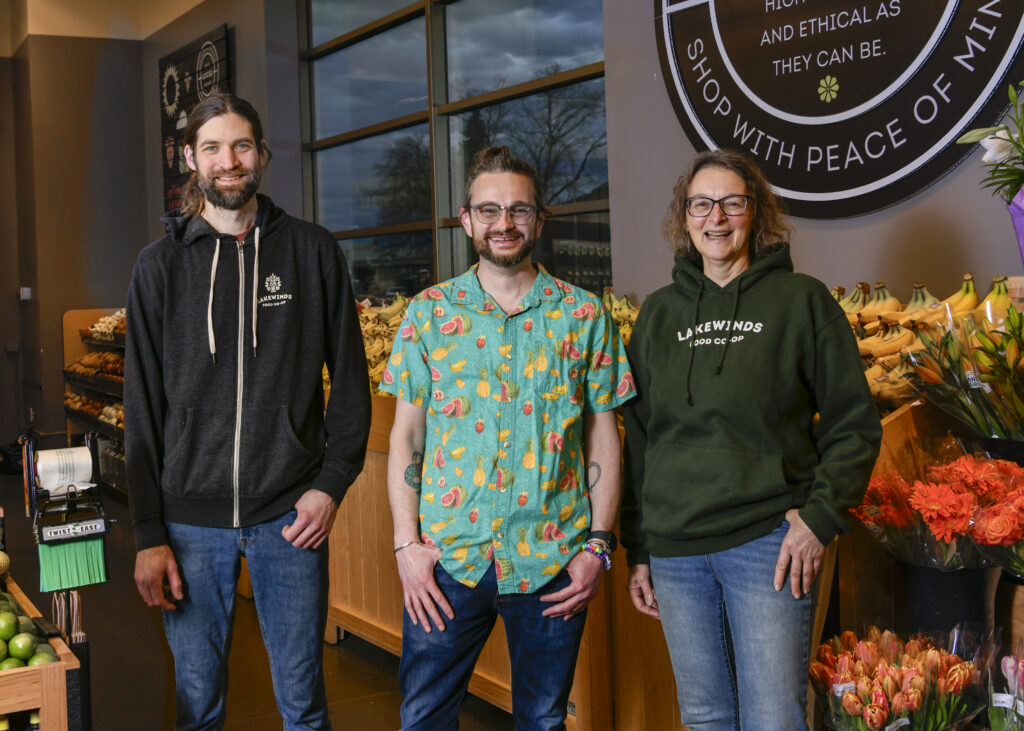
As the Minnesota growing season kicks into gear, the produce department blossoms into a vibrant, fragrant, and locally sourced haven! While conventional stores often squirrel away their organic produce, our department is (on average) over 90% organic, reflecting our deep commitment to sourcing, supporting, and selling the best possible produce in our stores. Produce team members, from left to right above, James (Richfield), Sam (Minnetonka), and Ellen (Minnetonka) give us a sneak peek into peak season at Lakewinds.
More Than Meets the Eye
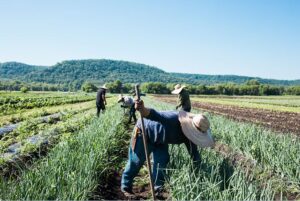
The differences you’ll find in the Lakewinds produce department go beyond the labels. Our local produce might look a little different than the standardized industrial supply chain — featuring heirloom varieties, different sizes, or limited quantities — because it reflects real, local farming conditions.
Behind the scenes, our team spends months planning and coordinating with various local farms. “It takes time to build relationships with local farmers, track seasonal availability, and verify growing practices,” says James. “This often means adjusting orders week-to-week based on weather, crop yields, and what’s actually being harvested locally.” One of Ellen’s favorite parts of her job is sharing where the current produce in the department came from with shoppers.
Sam describes, “My first year working here I had the chance to drive down to Featherstone Farm [and converse with the owner] about the local food system and how it fits in with this idea of saving the world. [That conversation] was inspiring. His passion was infectious, and I accredit it, honestly, with my continued presence and passion here at Lakewinds.”
Peak Season and Hidden Gems
While local produce begins trickling in with cold-hardy crops like rhubarb, kale, and salad greens, the harvest truly hits its stride as the summer progresses:
- Early Summer (June–July): Asparagus, strawberries, broccoli, and radish.
- Late Summer (July – August): Tomatoes, sweet corn, peppers, melons, and early apples.
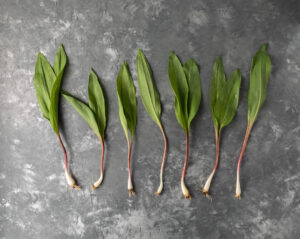
If you are looking for a “hidden gem,” both Sam and James recommend keeping an eye out each spring for ramps (wild leeks). Ramps have a very short window and taste like a cross between garlic and spring onions. “Grill them, put them in a salad, use them in a marinade, make pesto, make a reduction; they are so versatile and delicious, I can’t say enough,” Sam explains.
Ellen suggests while salad turnips. “They are less-peppery than radishes, [and are] a great add to a salad or on their own,” she says.
From the Farm to Your Cart
There is a special energy in the store when a local delivery arrives. “It’s always pretty exciting when we get the first trucks of the season,” Sam shares. “After a winter of shipping items from warmer climates, it’s refreshing to see stuff that’s only been off the plant for a day or less.”
Supporting these local growers does more than just provide fresh food; it strengthens the resiliency of Minnesota agriculture. “Local farms rely heavily on skilled farmworkers, including many immigrants, whose labor and knowledge make our regional food system possible. When shoppers support local produce, they’re helping sustain fair jobs, safer working conditions, and farms that are accountable to the communities around them, not distant corporations,” James explains. “It also has real environmental benefits. Food grown nearby travels fewer miles, is harvested closer to peak ripeness, and is often produced using practices that protect soil, water, and pollinators. Supporting local agriculture helps preserve farmland, reduces the carbon footprint of our food, and keeps a resilient food system in place for the future. In a very real way, buying local produce is an investment in both people and the land that sustains us.”
Tips from the Team

Treat greens like flowers: Trim the ends of herbs, green onions, or asparagus and place them in a glass of water in the fridge to keep them vibrant.

The moisture trick: Wrap veggies like lettuce, kale, carrots, or celery in a moist paper towel before putting them in the fridge to prevent wilting.

Shop often: Because our produce doesn’t rely on chemicals to extend shelf life, the best way to ensure freshness is to eat it quickly and visit us frequently.
Read more about James and Sam’s local produce “hidden gem” in Wild Ramps and How to Use Them or check out the farmer profiles of your favorite Locally Grown Produce.