
Seasonal Squash 101
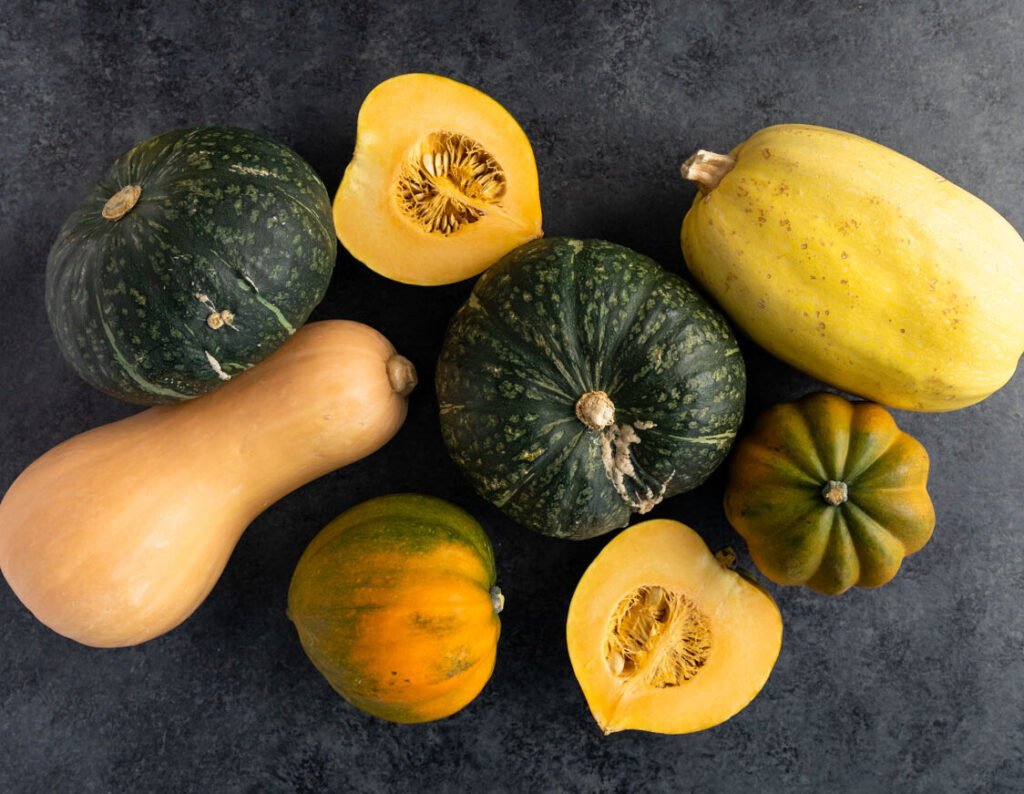
At Lakewinds, we’re all about getting cozy and comfy as the colder months arrive. What better way to settle in than make a delicious recipe using winter squash? Though a humble fruit (yes, it’s a fruit!), squash is very versatile and enhances the flavor of many dishes., both savory and sweet!
Squash varieties
Each variety has its own unique nutrient profile packed with essential health benefits — including fiber to aid digestion, antioxidants to support our immune system, and vitamins A and C. Beginning in October, we receive a wide variety of seasonal squash from our local farms, including Featherstone Farm in Rushford, MN.
Delicata squash
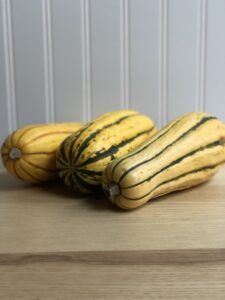
Known as the “sweet potato of squash,” delicata is sweet, tender and the ultimate low-effort veggie. The skin on this squash is delicately thin, making it ideal to skip the peeler and roast in the oven! Stuff with your favorite rice, bean, corn, and salsa mixture or slice into half-moons and roast until crispy and caramelized. Creamy and full of flavor, delicata squash is a seasonal favorite.
Butternut squash
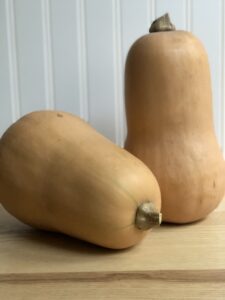
Butternut squash is sweet with a nutty, orange flesh that’s high in nutrients. It’s delicious simply roasted with olive oil and salt, blended into a soup, or tossed into turkey chili for added color and heartiness.
Our Autumn Pasta with Squash-Sage Sauce blends butternut or kabocha squash into a velvety sauce, finished with rich gruyere cheese and crispy prosciutto — the flavors of fall in a bowl!
Fun fact: Most store-bought canned pumpkin often contains other squash varieties, such as butternut squash, in addition to pumpkin.
Acorn squash
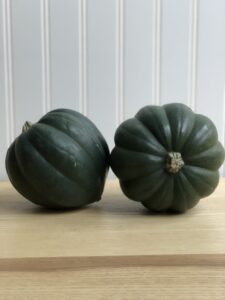
Named for its shape, acorn squash has a green, ridged exterior and is often used for baking and stuffing, as its size is perfect for portioning out a meal. It can’t be stored as long as the other seasonal squash and should be cooked quickly after purchase. It has less beta carotene than other varieties but still packs a punch in nutrients and flavor.
Spaghetti squash

Spaghetti squash is a great substitute for traditional grain-based pasta. Squash “noodles” taste delicious paired with an Italian pasta sauce and fresh Parmesan, or tossed with veggie stir-fry for a take on Pad Thai. Spaghetti squash come in a variety of colors, including ivory, yellow, and orange. The more yellow the flesh, the higher the concentration of vitamin A.
Our recipe for vegan and gluten-free Spaghetti Squash Tempeh Bowls combines apples, tempeh, kale, and garam masala together to elevate the humble squash, which also serves as an edible bowl!
Buttercup squash
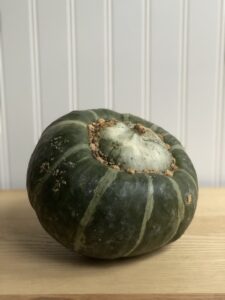
This seasonal squash has a turban-like cap that crowns its emerald green, striped skin and has a deep orange interior that can be as sweet as (or even sweeter than) butternut squash. It’s a delicious substitute for anything that calls for pumpkin, and its seeds are delicious when tossed with cinnamon and butter and roasted for an hour at 275°F.
Red Kuri squash

This orange, tear-drop looking squash has thin skin and appears to be a pumpkin without the ridges. It has a sweet, chestnut-like flavor and is a delicious complement to curries, stir-fries, soups, and stews. Check it out here in our very own Harvest Bowl recipe.
Kabocha squash
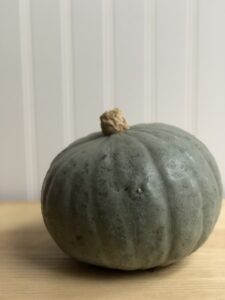
This Japanese variety of seasonal squash is gorgeous in any form — whether it’s bright red-orange or simply emerald green. Inside, its bright yellow-orange flesh delivers a chestnut flavor, described as a cross between a sweet potato and pumpkin. It’s delicious in curries, stews, or simply roasted with olive oil. The skin is completely edible, no peeling required!
Carnival squash
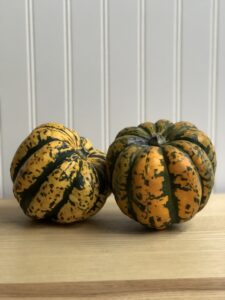
Not only a beautiful decorative squash for your center-piece, carnival squash is equally delightful when roasted and added to your favorite stew or served as a side dish. This small, striped squash is sweet and pleasing to the eye and taste buds.
Pie pumpkin
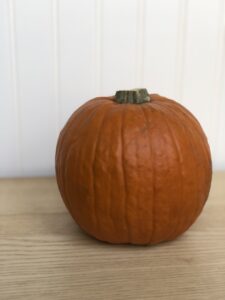
This squash differs from its jack-o’-lantern counterparts in that it’s sweeter and starchier and yields a smooth, silky product after roasting, ideal for your favorite pie or muffins. To cook: halve, de-seed, rub with olive oil and bake with the flesh side down at 375° for one hour or until tender. Then scoop the flesh into a food processor and process until smooth and silky. Use in place of canned pumpkin in any recipe.
How long can I store seasonal squash?
It depends on the variety, but most seasonal squash can be stored throughout the winter if kept in a cool room (ideally 50°-55°F) with a humidity of 60-70%.
Tip: A great place to store them would be a dark cabinet, cupboard or closet in a cooler part of the house.
Acorn, delicata, and spaghetti squash are the most perishable, with storage life lasting around 4 weeks. As a result, don’t wait too long to enjoy in your favorite dish!
Head over to our Seasonal Squash page to find more tasty recipes using hearty local squash!