
How to Extend Produce
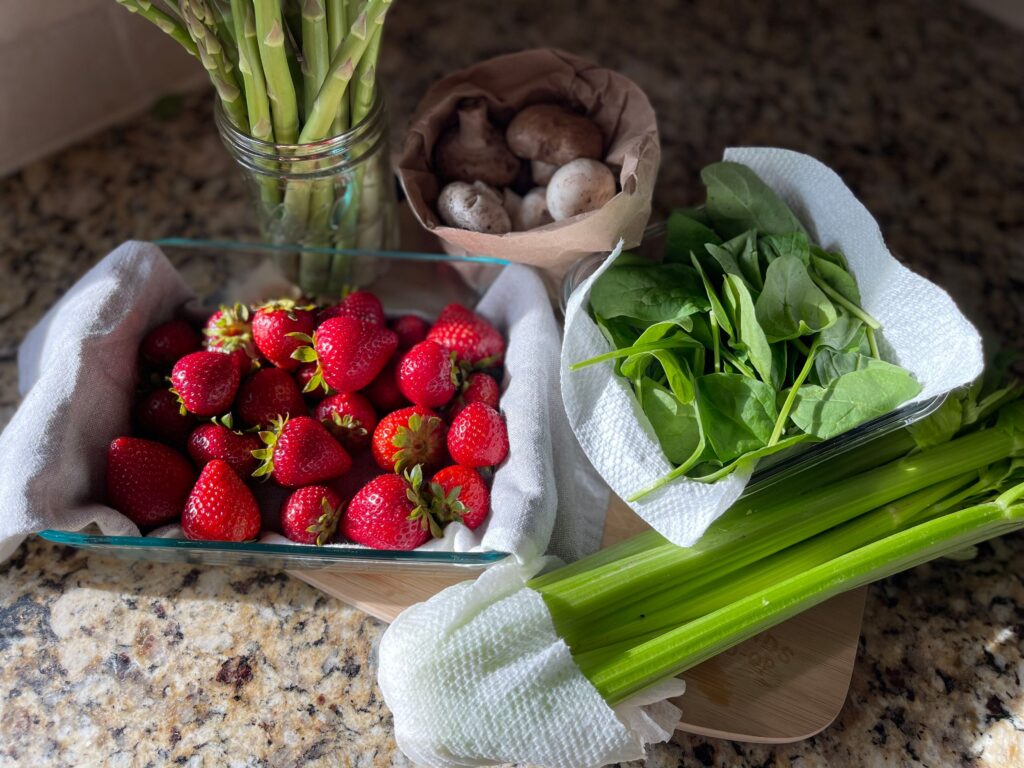
Having access to fresh local fruits and veggies is great! Keeping them fresh for longer? That’s a little more technical. Properly storing your produce can help you manage your food budget, maximize every dollar, and make sure that nutritious, tasty food is enjoyed by you and your family! Try these simple tips to extend the life of your produce and reduce your food waste.
- Wash your produce only when you’re ready to consume it to help maintain freshness.
- Organize your produce by placing items that expire relatively quickly, such as berries, in the front, and placing those that have a longer shelf life, such as carrots, toward the back of the fridge.
- Avoid over-packing your produce containers — air circulation and managing moisture is key to keeping produce fresh.
- Try shopping small and often during the summer growing season. Buying produce just a few days at a time ensures you get exactly what you need, keeping your food fresh and reducing spoilage.
A lot of produce like spinach, asparagus, broccoli, and berries are best kept in the fridge, while other items like potatoes, onions, and garlic should be stored in a cool low-light area, like the bottom shelf of your pantry. Below you will find a wide variety of fruits and veggies, with tips about storing and extending their shelf life.
Apples
You can keep apples on the counter at room temperature, but they’ll ripen faster this way. Keep them fresh longer in the bottom crisper of the fridge, but away from ethylene-sensitive produce such as zucchini and lemons so those items don’t ripen too quickly.
Asparagus
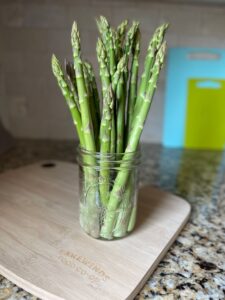
Treat this veg like flowers: Slightly trim the woody ends and immerse the base of the stems in a cup with 1-2 inches of water. Cover the tops with a damp towel or produce bag and store in the fridge.
Bananas
Store bananas at room temperature with the stems wrapped to help control the release of ethylene gas (a natural gas released by some fruits and vegetables that causes produce to ripen quickly). If possible, hang bananas on a hook to reduce bruising and maintain even airflow.
Basil
You can keep basil at room temperature away from sunlight. However, if you bought it from the refrigerated section at the co-op, you should keep it in your refrigerator.
Berries: Raspberries, Blackberries, Blueberries, Strawberries

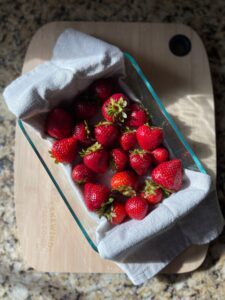
If time allows, discard any crushed or moldy berries and wash the rest in a one-part vinegar to three-parts water bath. Then lay berries out to dry completely; moisture control is extremely important here, because the more moisture on the berries, the more quickly they will spoil. Once completely dried, place a small towel on the inside of your jar or shallow container and place berries on top of the towel. Avoid over-packing the berries — they need plenty of airflow!
If you’re short on time, discard any crushed or moldy berries right away and place the remaining berries in a container lined with a paper towel to absorb moisture. Store in the front area of your refrigerator and wash right before eating.
Broccoli & Cauliflower
Keep these veggies loose in a perforated produce bag to maintain humidity without trapping excess moisture. Helpful tip: Revive wilted florets by placing them in an ice bath for 15-30 minutes.
Carrots
When it comes to carrots, do the ones you’ve bought in the past get too dried out, or are they too wet? If they tend to get dried out, you can keep them in the original bag they came in. If your carrots tend to be too moist, put a paper towel in the bag to absorb extra moisture. This vegetable typically has a longer shelf life than others and can be placed toward the back of your refrigerator.
Celery
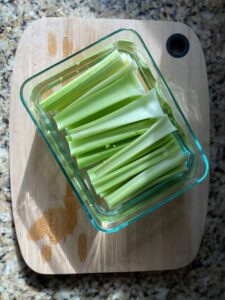
Wrap the base in a damp paper towel and store in a container or produce bag. If you choose to pre-wash and cut celery, fill a jar with water and submerge the slices, then place in your fridge for an easy grab and go snack – just be sure to change the water every few days to keep them fresh and crisp.
Citrus
To extend the shelf life of citrus, wash and dry thoroughly, rub the rind with a thin layer of neutral oil, and store in an airtight container in the fridge. This method keeps the citrus fresh, bright, firm and flavorful.
Grapes
Peek in the bag for any moldy or over-ripe grapes and remove them. Then store your grapes in a container with plenty of ventilation in the crisper drawer.
Green Leafy Vegetables: Spinach, Romaine Lettuce, Kale
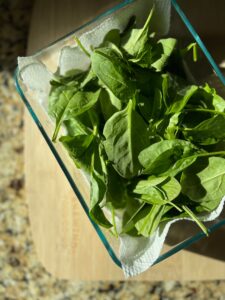
Store leafy greens in a container of your choosing with a dry paper towel. Replace paper towel with a fresh one every other time you open to use or as necessary.
Green Onions/Scallions
Place onions and scallions in the fridge, with their roots in a glass that has 1-2 inches of water.
Herbs: Cilantro, Parsley, Dill, Chives
Trim the ends of your herbs and place them in a glass jar with an inch or two of water at the bottom. Cover the herb tops with a damp towel or produce bag and place them at eye level in your refrigerator for easy access. You can also place herbs in a damp paper towel in a sealed container that goes in the crisper drawer.
Mushrooms

Place your unwashed mushrooms in a paper bag in the fridge. If they’re in plastic, moisture can get trapped inside and cause the mushrooms to spoil.
Onions & Garlic
To ensure freshness, store onions and garlic in a cool dark place, preferably in a hanging mesh bag for proper ventilation.
Potatoes
Store potatoes in a cool dark place, such as in your pantry, in a breathable container. Don’t wash until you’re going to make them. Keep away from onions!
Tomatoes
Keep tomatoes at room temperature, out of direct sunlight, with the stem side down to slow ripening. Once cut, transfer them to the fridge – refrigerating tomatoes prior to cutting can cause them to become mealy and lose flavor over time.
Zucchini
Avoid washing them until immediately before use. Until then, store the zucchini in a paper bag to absorb moisture or in a perforated bag for ventilation, placed in a lower crisper drawer.
Prevent food waste and save on your grocery budget when you start storing your fruits and veg properly! See more tips and tricks on proper produce storage.