
Rooted in the Future: Regenerative Farming
At the co-op, our mission has always been rooted in supporting local agriculture. But as we look toward the future of food, we are realizing that simply sustaining our agricultural system isn’t enough anymore. To truly protect our environment, we need to rebuild it.
That is where regenerative farming comes in.
What is Regenerative Farming?
While conventional farming often relies on an “extractive” model—depleting the soil and relying heavily on chemical inputs — regenerative agriculture is a holistic approach to land management. Instead of wearing the land out, it actively rehabilitates and enhances the entire ecosystem.
Think of it as farming in partnership with nature. Rather than planting massive fields of a single crop (monoculture) or keeping livestock in confinement, regenerative farmers focus on a few core principles:
- Prioritizing soil health: Keeping the soil covered with living plants year-round to prevent erosion.
- Boosting biodiversity: Encouraging a rich mix of plants, insects, and wildlife to create a resilient ecosystem.
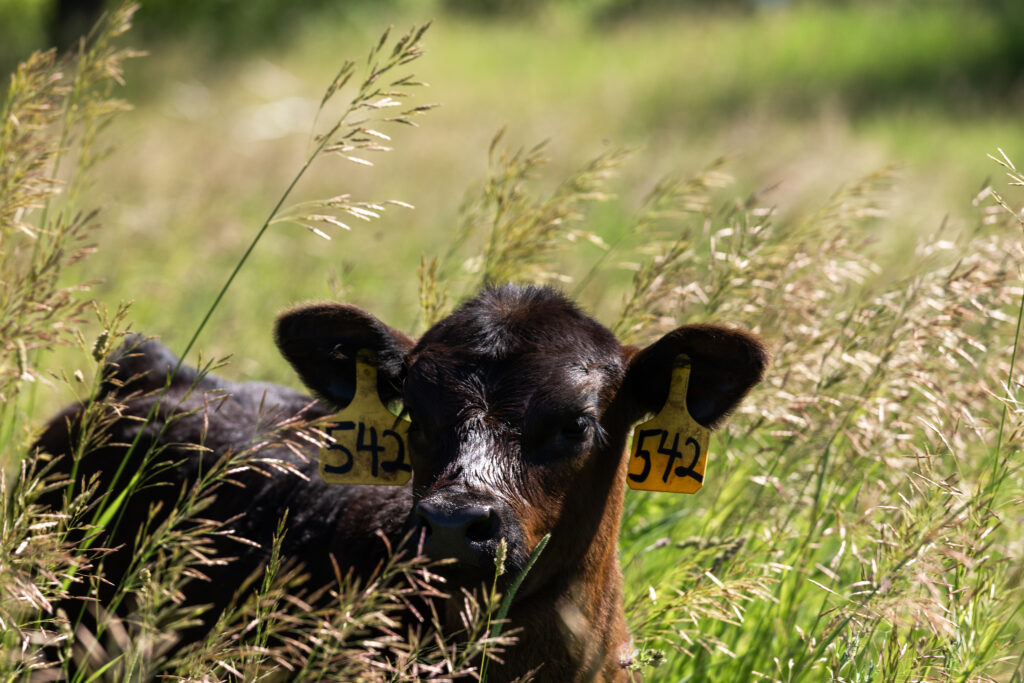
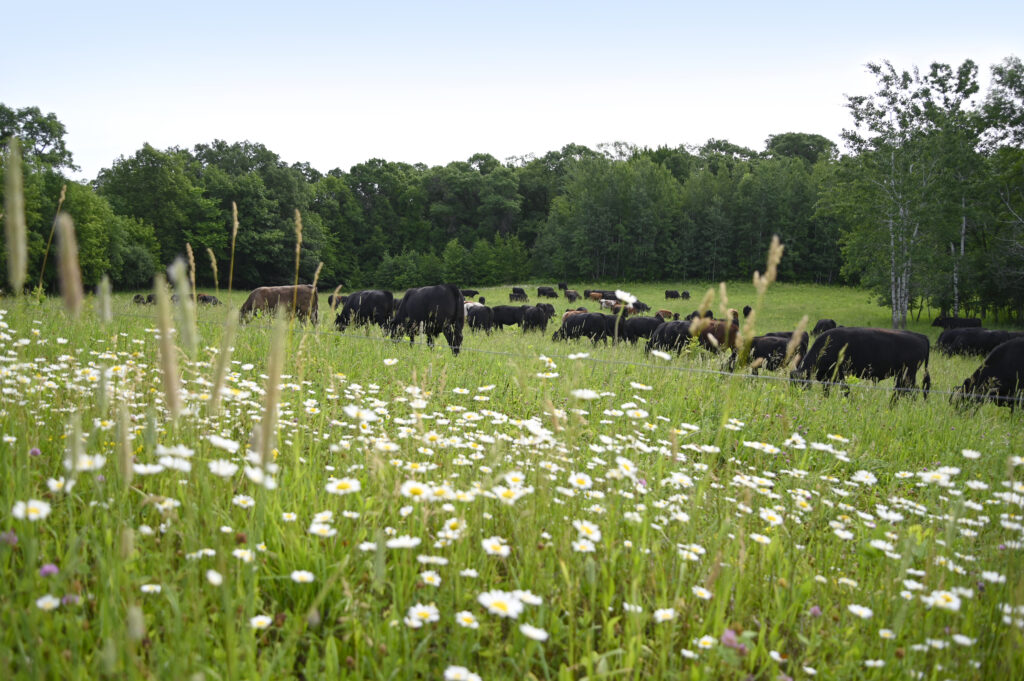
- Integrating livestock: Allowing animals to graze naturally, which mimics the historic wild herds that originally built the world’s most fertile grasslands.
The Carbon Connection: Healthy, undisturbed soil acts like a giant sponge. By promoting photosynthesis, regenerative practices draw carbon down out of the atmosphere and trap it safely in the ground, making it a powerful tool in combating climate change.
Regenerative Renegade: Thousand Hills Lifetime Grazed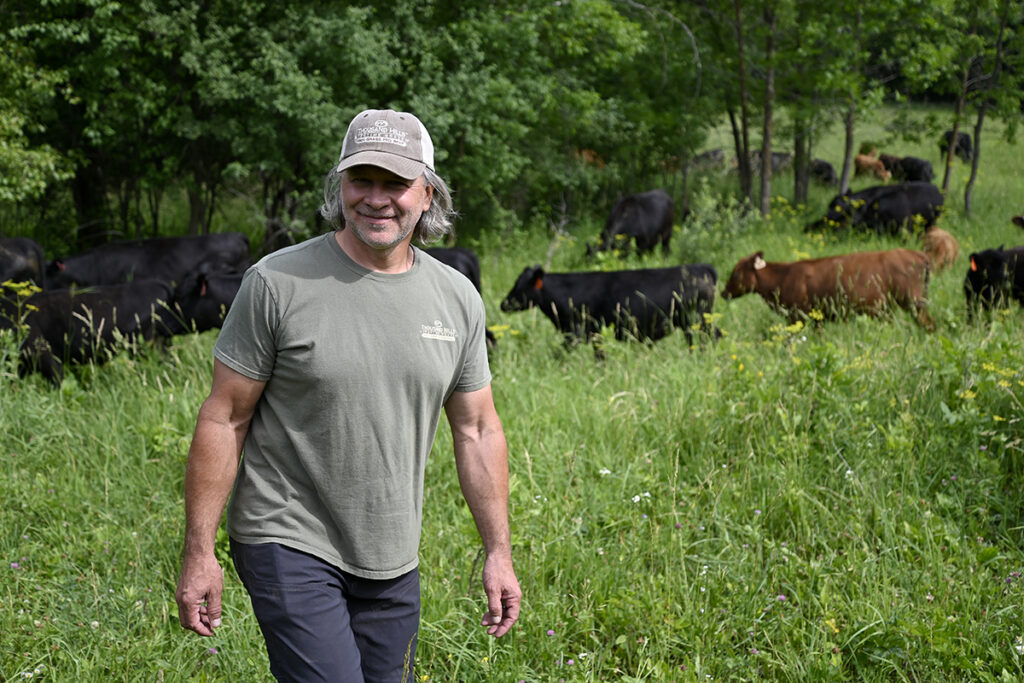
To see these principles in action, we don’t have to look very far. One of our long-standing meat suppliers, Thousand Hills, is a regional leader in the regenerative movement.
Founded with a mission to nourish soil, plants, livestock, and people, Thousand Hills works with a network of family farms to raise 100% grass-fed, grass-finished beef. Their cattle are strictly “lifetime grazed” — meaning they spend their entire lives open on pastures, expressing their natural behaviors without ever seeing a feedlot, antibiotics, or GMO grains.
Central to their method is a rotational grazing strategy known as the “Rule of Thirds”:
- Graze a third: The cattle eat the top, most nutrient-dense part of the pasture.
- Trample a third: Their hooves press organic matter into the earth, naturally mulching the soil.
- Leave a third: A portion of the plant is left fully intact so it can quickly photosynthesize, regrow, and pump sugars down to feed vital soil microorganisms.
This meticulous care has earned them rigorous distinctions, including the Audubon Bird-Friendly Land Certification, proving that their pastures double as thriving habitats for native wildlife.
Voices from the Field
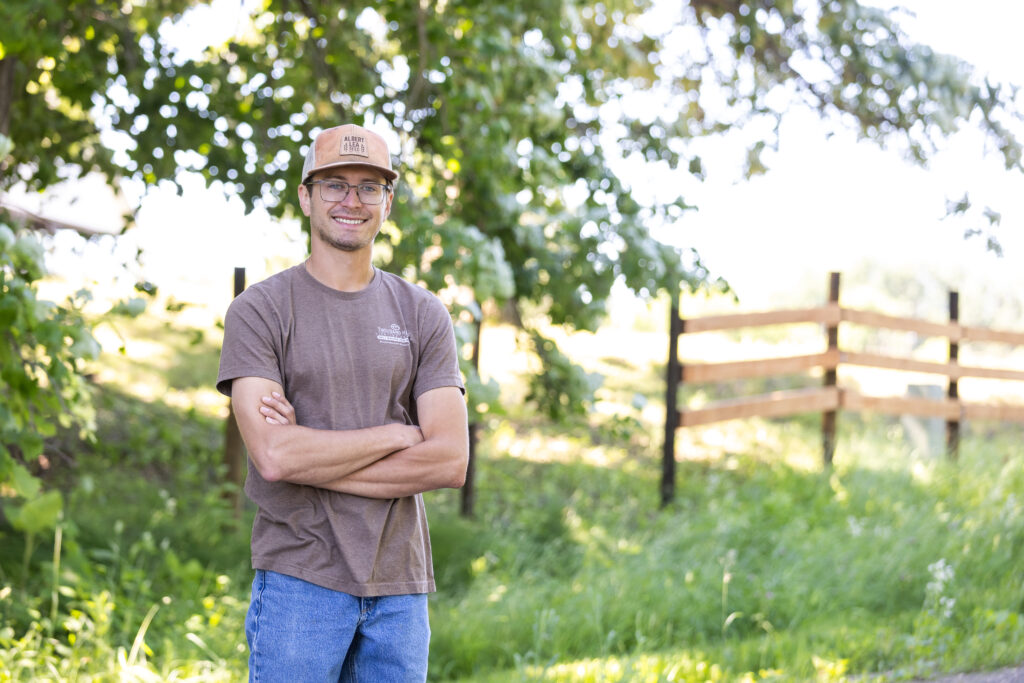
“I grew up on this land,” says Mikhale, farm manager of Thousand Hills and son of founder Matt Maier. The farm has been in his family since his grandfather’s time, but it wasn’t until the founding of Thousand Hills in 2003 that they switched to a regenerative farming model and increased their farm from 120 acres to over 1,000. “There is a lot more wildlife, bug, insects, ducks, and birds everywhere. Even looking at the species of plants [in the pastures], it’s amazing the see the variety of things [appearing on the land] now.”
“The process of regeneration can seem slow, but I remind myself, it took 70+ years to do the damage. Seeing dramatic results after 5-7 years is a testament to nature’s ability to heal itself when allowed.” -Thousand Hills website.
“[Lifetime grazing our cattle really give them] the best life they can possibly have. They are getting so many nutrients in their diet, being active walking up and down hills, and making the soil more resilient.” Everyday the herds are moved to a new several acres large paddock (section of pasture), which mimics how buffalo would graze across the region. “We are letting the cattle live the life that they should – on the land.”
No Certification, No Regulations
Mikhale notes that farms can say that they are using regenerative practices even when their cattle are in feed lots. “If the cows get some grass or are finished on grass, they can say that the cows are “grass-fed” even when they were in a feed lot for a majority of their lives and barely got to see any grass or walk around much.” Unlike Certified Organic farming, regenerative farming doesn’t have set criteria that must be followed, however the heart of the regenerative movement prioritized health, healing, and growing with nature. “We do what we say we’re doing,” Mikhale affirms. “It’s the right way to do it.”
Why It Matters to Our Co-op
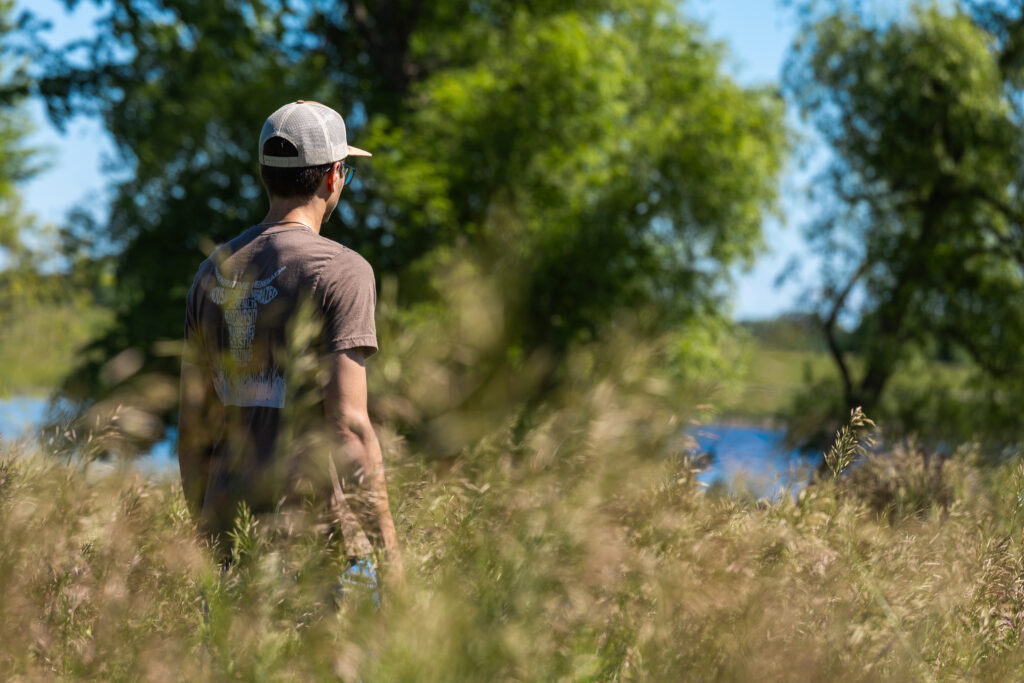
As a cooperative, our purchasing power is a direct reflection of our community’s values. When we choose to source from regional, regenerative farmers, we aren’t just buying groceries; we are investing in local watersheds, supporting rural economies, and ensuring our regional food system can withstand extreme weather and droughts. Every dollar spent on regenerative food is a vote for cleaner water, richer soil, and healthier food for generations to come.
How Can You Support the Movement?
The next time you walk down our aisles, you have the opportunity to be a “regenerative renegade” too. By choosing grass-fed products like Thousand Hills, you are directly funding the transition of thousands of acres of farmland away from chemical dependency and back into a state of natural balance.
Look for Thousand Hills products in our meat department, and join us in celebrating the farmers who are healing the earth, one pasture at a time.
Try out our co-op burger with kimchi or our Moroccan braised beef with couscous recipe with Thousand Hills’ regenerative beef!